Sad news from Kenya– a reminder that life is precious

Jane and Helen
I received email news earlier this week that one of the women involved with our Tuko Pumoja project had died. We received an email from Philip of PCDA from the Maasai Village where we spent time while in Kenya in January that our Maasai friend Jane had passed away. This was especially hard to hear because we had just been there a short time ago and had spent time with the children at school, in the village, and interacting with the tiny community. In their visit last year Lloydie and Deb had spent time with the women building a “kitchen” (a traditional Maasai style thatched hut with dung walls) and tell an incredible story of carrying the roof down the road from the manyatta (village) to recycle it for the kitchen.
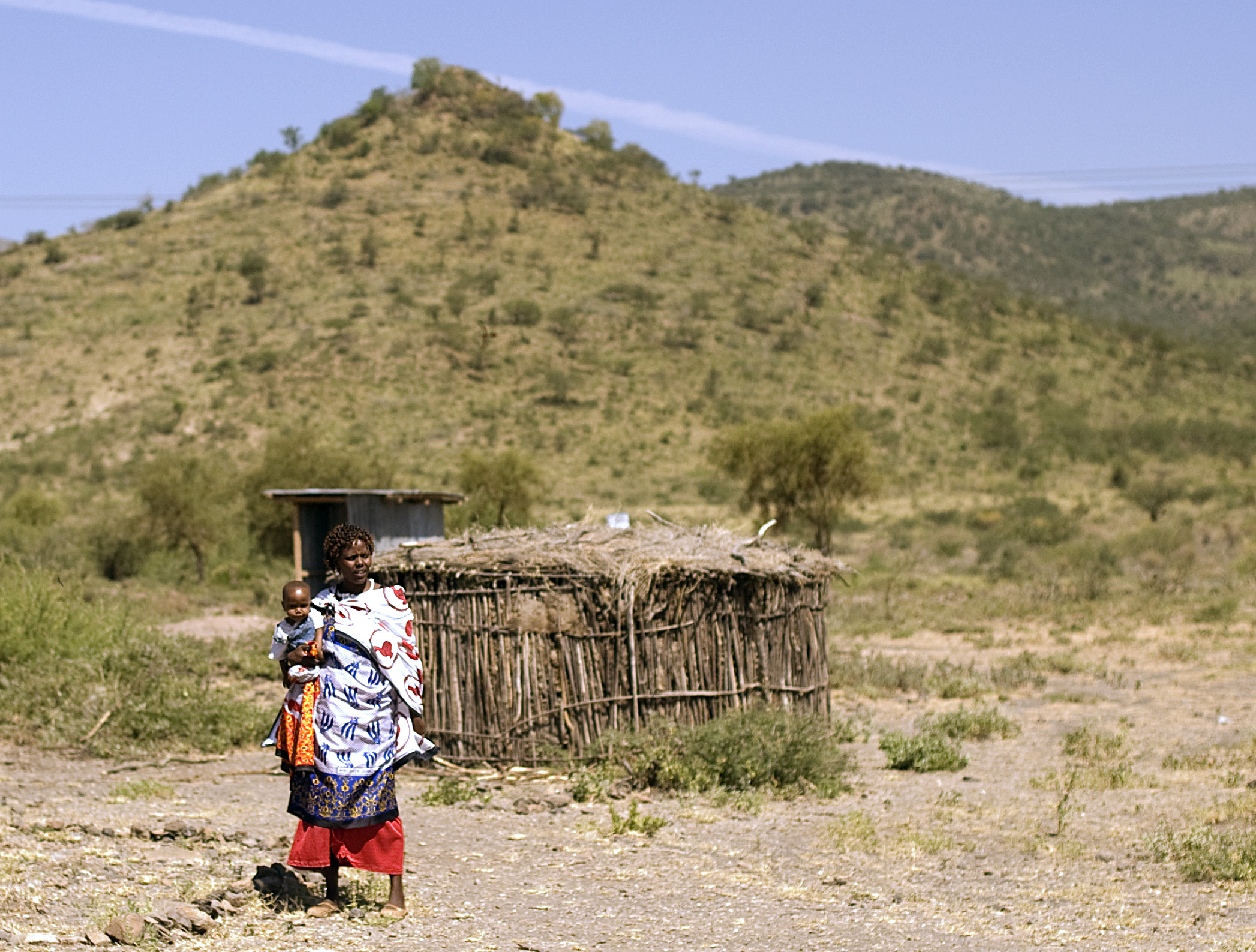
Philip's wife and baby coming from the kitchen
When we were there in January and each of us spent time with one woman in her home or boma, I was welcomed by Jane into her home. We conversed with the help of the neighbor girl Helen who spoke very good English and several children joined us in the merriment as they laughed at me trying to do dishes the Maasai way (with not much water) and trying to properly learn how to say the Maasai name that Jane gave to me ( Nashorrrrwah) with a rolling “r” sound not spoken in English, meaning “one who gives”. I love my Maasai name as I thought that Jane in our brief time had understood something about me.
At one moment Jane took of her bracelets from her wrist and gave it to me as a friendly gesture which I really appreciated. She also suggested that Helen show me the goats which was when I had my experience of trying to “catch a kid” as Helen had instructed me, which was a lot more difficult than she ended up making it look!
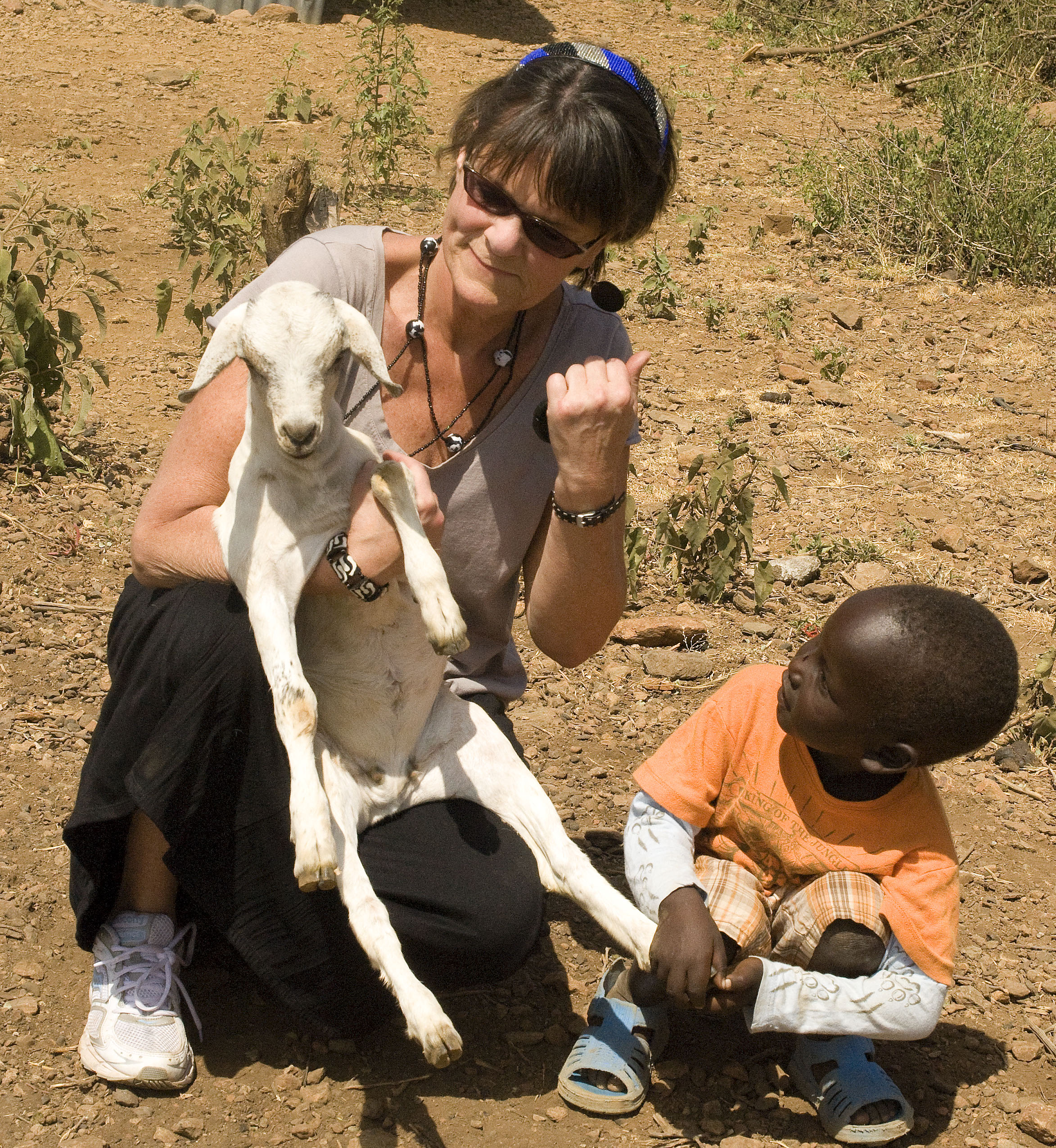
Holding Helen's kid with a sweet onlooker
After my kid catching experience, we visited again in the boma, also a traditional thatched structure with dung walls and only a tiny window of a couple of inches to let in a very little light. We all drank HOT chai together made over a fire in the darkened very HOT boma with perspiration on our faces and though I was really hot, I didn’t much mind because we were having fun, chatting and exchanging stories the best we could and it seemed rather magical to be across the world in this different culture yet realizing how we were 2 women who were very much the same in a lot of ways. We all gathered together before leaving the village and when I went to say goodbye to Jane we exchanged hugs and she took one of her beautiful necklaces off her neck and slipped it over my head. Helen wasn’t around at that moment, but we didn’t really need a translator for this interchange…..
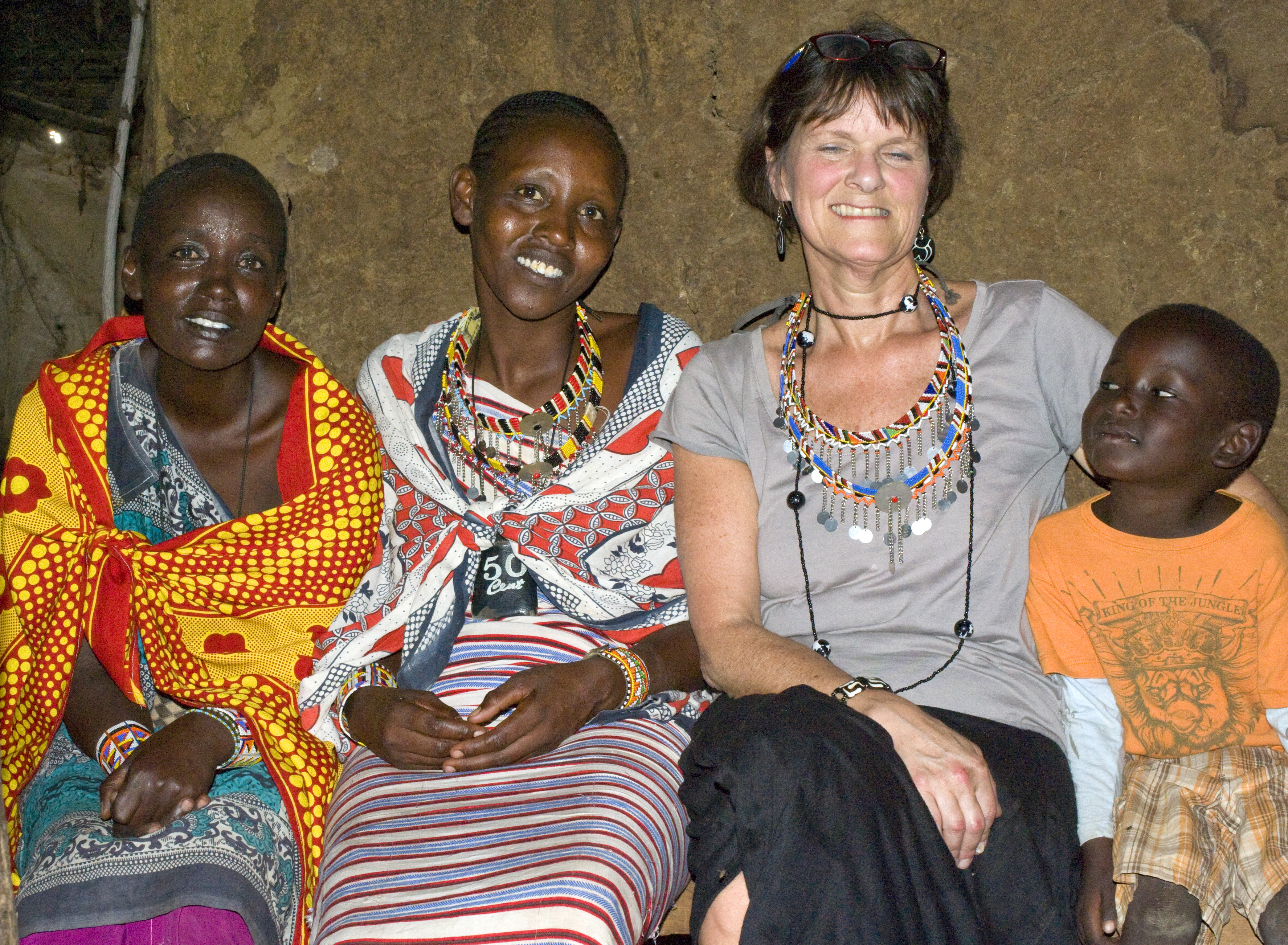
Sitting in Jane's (left) home
And so I am thinking about Jane who seemed very young to me and not in any way ill at the time I met her. However, the average life span in Kenya is only 50. She was a lovely warm woman with a nice smile, very welcoming and very generous. And I am thinking of this little village who must be saddened by her loss. I know from Philip that Jane was raising her niece who was away at school in form 2 (second hear of high school) on the day when we were there and that now she has lost her aunt, after losing her father when she 8, her mother when she was 11, her grandmother when she was 13 and her grandmother when she was 15. We are all sad for her and the entire PCDA community. This is a reminder that having connections to people across the world in a different culture only makes the world feel smaller and that life everywhere is fragile and precious.
Zuri Watoto Wote–10,000 Views Later
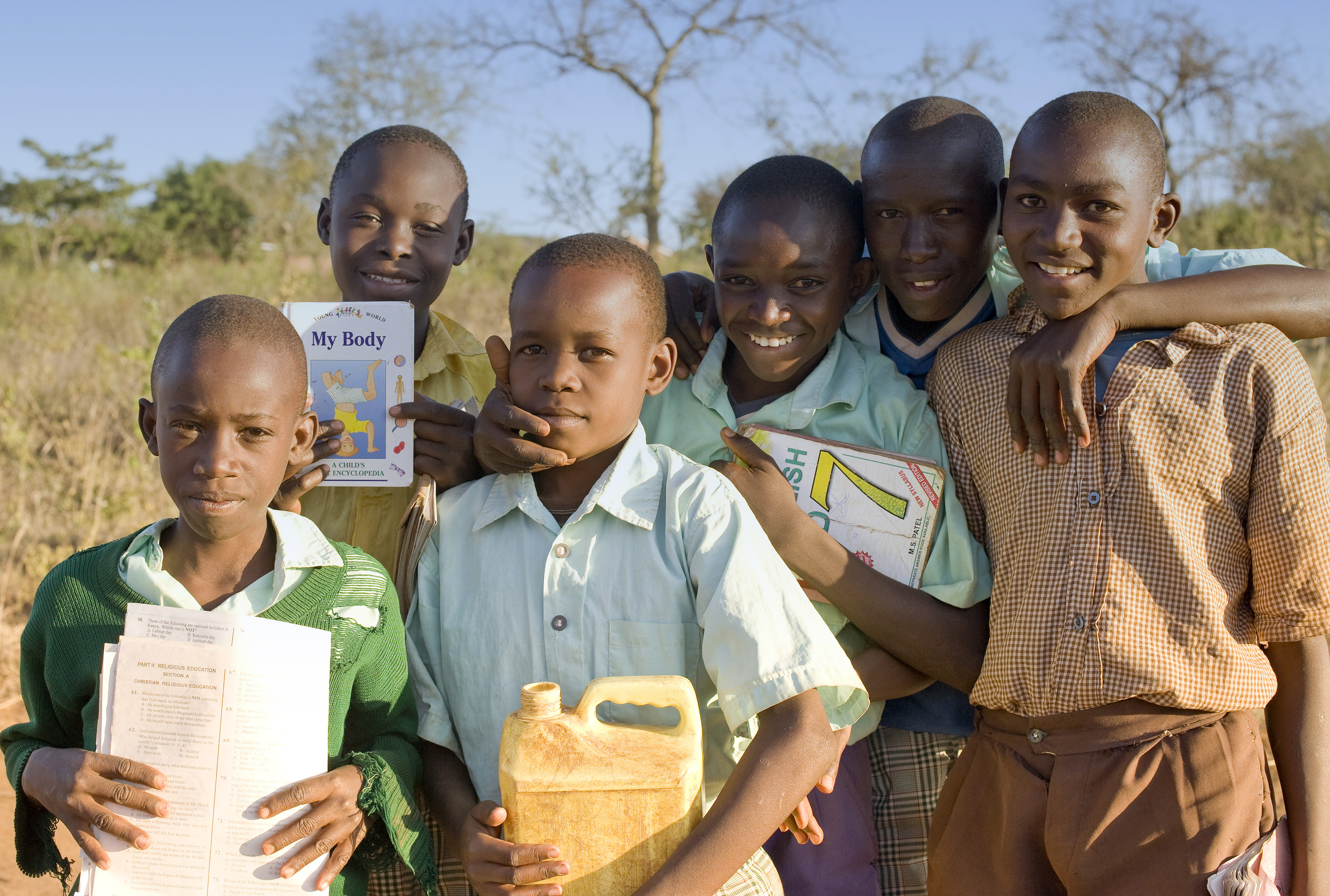
The number of views on this blog surpassed 10,000 today. It’s hard to know what to think of that since I know that some readers have come from random search engines seeking out particular bits of information about Kenya, or AIDS or even to find pictures of animals from the safari which I took on my first trip to Kenya. But I do know that many of the visits were purposeful and I would like to think that I have shared my experiences in Kenya as a volunteer in an educational and inspirational way. The title of this blog, Zuri Watoto Wote, means by my rough translation “All the Beautiful Children” in Swahili. I chose it before I had ever been to Kenya and when I was attempting to learn a little bit of Swahili in advance. I still love the title now that I have met the many beautiful children there; I could have, however, called it “All the Beautiful People” because my connection isn’t only to the children. I knew that when I set out on that first trip to Kenya that I would be fulfilling a lifelong dream to visit Africa (truly since I was a child) and to do volunteer work in a third world country. I did not really have an idea of how much the experience would grab my heart, change my life and change me.
I have wanted to convey in my blog a broader sense of the Kenyan people than those stereotypes that people might have when they think of African countries stricken by AIDS and poverty. Yes, there is AIDS and there is much poverty, but there are also wonderful thriving people who are celebrating life despite their hardship and their poverty in a way that is truly enviable. And there are people who have a capacity for connection, grace and authentic communication which is touching and not lost in the superficiality of life’s busy pace. These are the beautiful people who I have met. I have played with, sung with, danced with, done art with, painted the faces of, many beautiful children, all orphans. I have listened to some sad stories and felt their pain, but have also seen them smile and laugh. All of these people are a testament to the human spirit. My greatest admiration has been for the women I have met, especially the mothers, who work so hard and sacrifice so much to take care of their children yet still retain such grace and dignity. And although I have had the role of the volunteer, the “helper”, who brings donations and professional expertise, I too have been “helped” by the interchange to have a broader sense of the world and her people and to feel a different sense of my place in it. I have seen the value of a strong cultural heritage, of living a simpler life and of appreciating what one does have, what I have, in a new way.
Earlier today I was watching Chimamanda Adichie, Nigerian author, who presented a TED talk entitled “The Danger of a Single Story”. She said in her talk “The single story creates stereotypes, and the problem with stereotypes is not that they are untrue, but that they are incomplete. They make one story become the only story.” When I listened to her it very much resonated with the experiences I have had and with what I learned by spending time with people in Kenya as I have had the privilege of hearing many stories and have learned so much from those who have told them to me.
So three years, 65 posts and 10,000 blog visits later its hard for me to imagine my life without this experience and all the people I have met and the touching moments I have shared. My fellow travelers will be life long friends and LLoydie Zaiser–we are kindred spirits in this mission and jointly have a lifetime of things to accomplish in Kenya–along with Jen and Deb……. Since my plan is to return to Kenya each year I hope to keep the blog going between trips with updates on news from Nyumbani and elsewhere in Kenya and with stateside activities such as Tuko Pamoja and preparations for the next trip.
I hope that if you are reading the blog and are touched by any of the stories that I relay that you will pass it on. When I originally set out to write the blog it was with the intention of making people more aware of the plight of AIDS orphans in Kenya and the concept of global citizenship. I have certainly learned that there is far more about which to be enlightened and hope to continue to share that which I continue to learn. I will close with a poem:
We are all the same
I am that man, that woman, that child,
I am just like them
Except that I was born lucky
In this land of privilege and plenty
Otherwise, we are the same
I am that man, that boy
Sent off to fight, to witness that
Which should never be seen,
To lose his youth, his self, perhaps
To die, we were born alike.
I am that woman, that mother
Who weeps for her sick child,
Who cannot work enough
To feed her children, to save them
But keeps trying, we are the same
I am that child, that baby
Thrown on a garbage heap,
Alone and unwanted, left to die
Somebody’s child, too sick to keep
She is like me; she is like you
Except we were born in the land of plenty
Where our eyes are shut and our ears
Do not hear, so we will not know
That we are those men, those women,
Those children, we are all the same.
My thoughts go back to Kenya……..
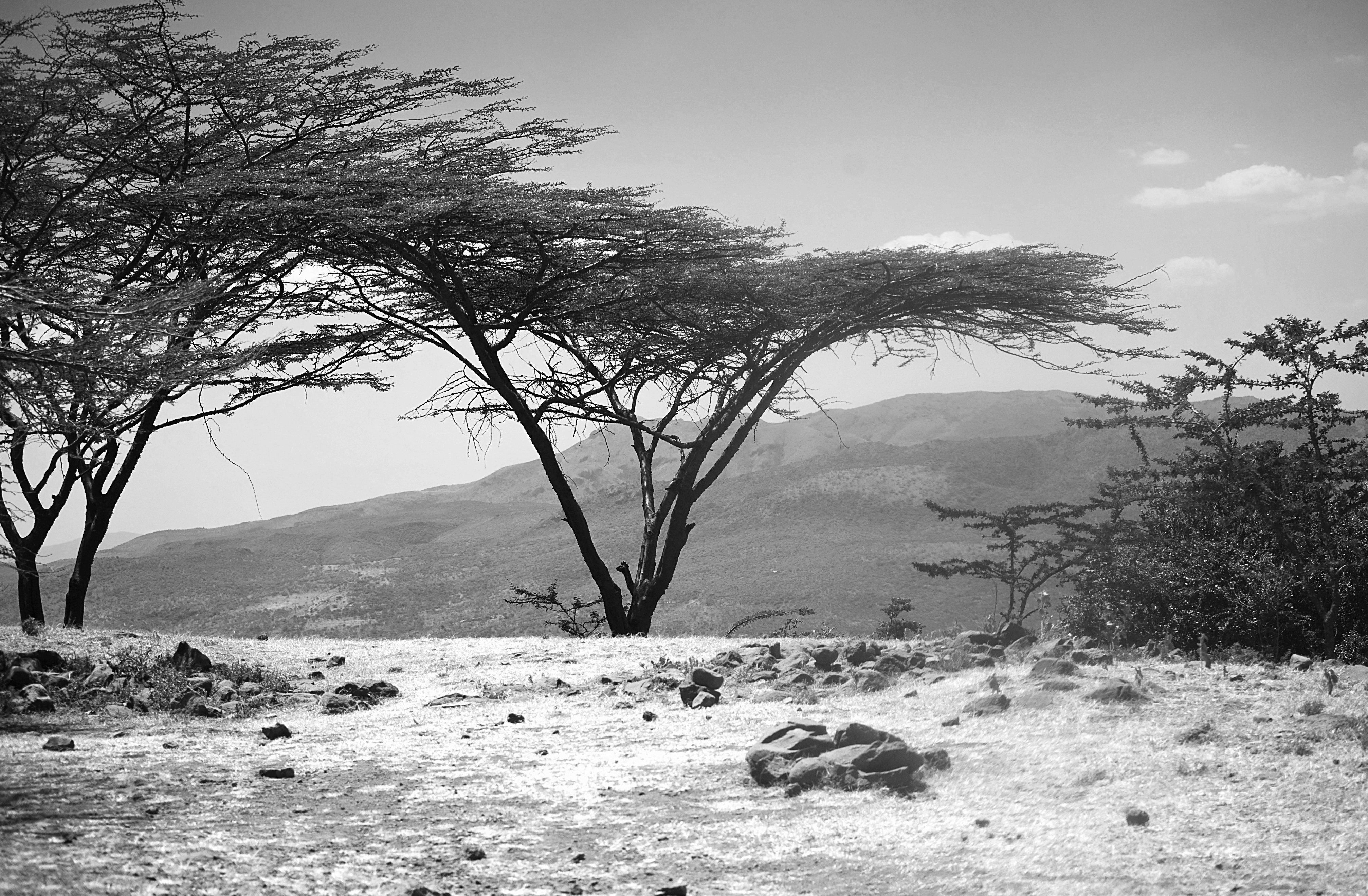
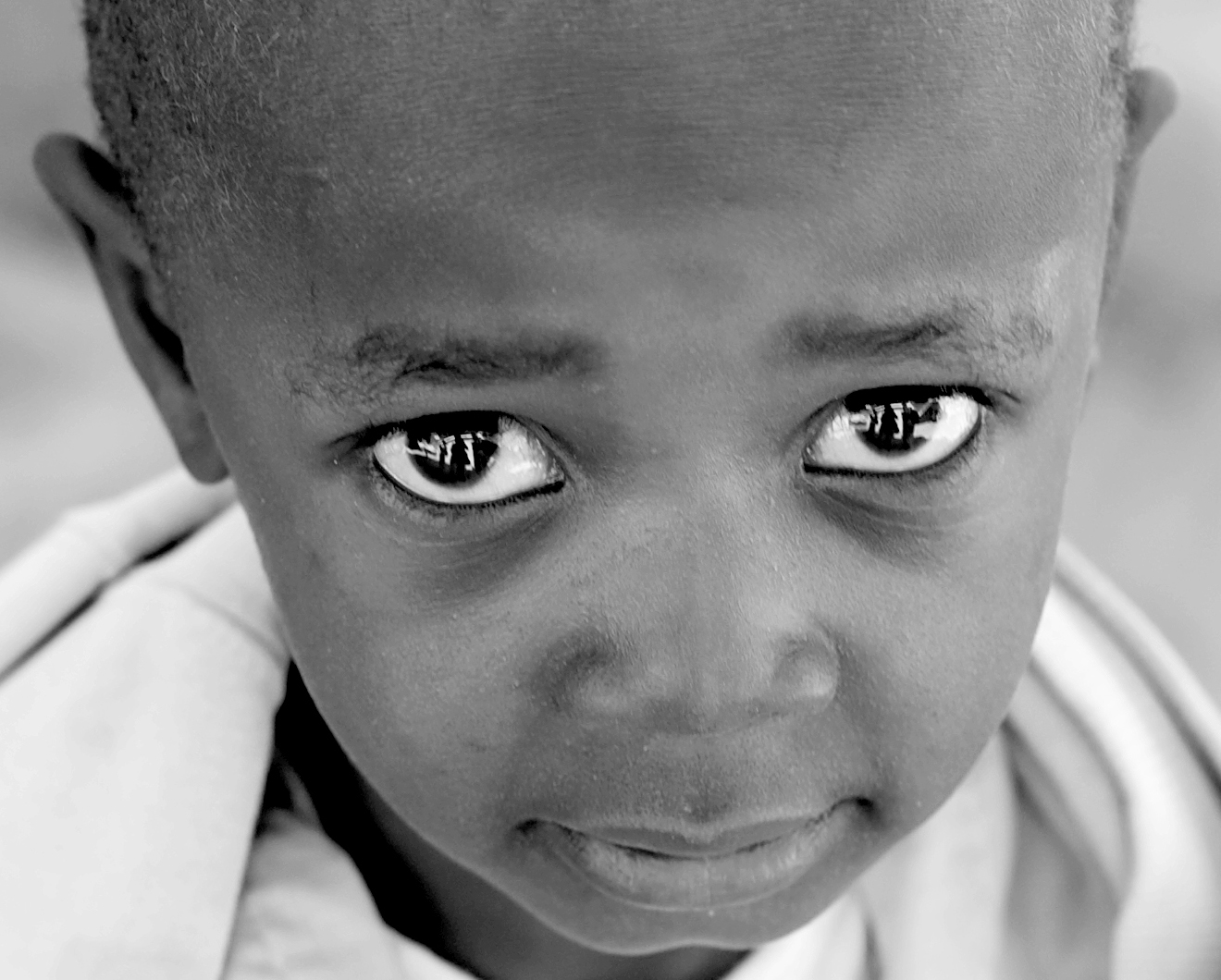
I have had a lot of time to ponder since I returned from Kenya two months ago. In spite of the busyness of my life here, my thoughts frequently go back to my experiences there and the ongoing connections through email and phone calls and even in person with my fellow volunteers have kept it all very much alive. I also have received emails from Kenya including follow up from Lilian about her clients whom I saw in the Village. My attempt to present some of my experiences to my colleagues at the hospital reminded me that I always have volumes to share in too little time and that my exuberance and passion in sharing these experiences is something that everyone notices. I have tried to write a short article for a professional newsletter and struggled with how to put the experience into words with the right balance of facts and details for the reader with the powerful feelings that came with doing the work in Kenya. One comment that I often make is that the Kenyan people have a remarkable way of speaking authentically from their hearts, that they are not inhibited about doing that which contributes to making the experience so touching. It’s a way of connecting that I wish would happen more here because it seems we have lost some of our capacity to be that open in expressing ourselves eith the fast pace of life and its many demands and the turn to technology for communication. I feel however that there is an exception to that kind of heartfelt communication that I have grown to value in my interactions with the Kenyan people. This has to do with talking about grief and loss. I cannot identify this as a generalization of all Kenyan people since I have had far too little experience to make such an observation. However, it is an observation that has struck me in the course of my time spent with people there. In Nyumbani Village all the residents have had very powerful personal experiences of loss. There are 900 children who have lost there parents to AIDs and many have lost other close relatives as well. There are almost 100 grandparents many of whom have lost their children to AIDs. However, there seems to be a powerfully strong culture of silence around grief and loss. No one seems to speak of it. In the counseling center when interviewing clients I was often told tragic stories about losing loved ones, often a string of losses that was profoundly sad to hear, but was told in a hushed voice as if to say that there was something unspeakable about it. The most striking example was an adolescent girl who told me of losing both parents when she was very young, then her grandmother, then her uncle, all of whom had parented her. However she also told me that talking about these losses was a “secret” and that she had never talked about them before. The idea that there is a silence about such painful losses has stuck with me and has made me wonder about those photos that I have captured of those soulful, almost sad looking children’s faces–maybe those are a fleeting glimpse of what is unspoken.
I have given this some thought and talked with Lilian and Lloydie about some possible ideas I have for how to address this. I think perhaps an annual ritual of remembrance honoring those lost could be a step towards helping this community to share the burden of each other’s grief in a healing way. This would need to be done thoughtfully, embracing the culture of the village and with the blessing of those who oversee its care. This could be powerful shared experience in which people come together without actually individually saying very much or anything at all yet still give a voice to some silenced feelings that could be acknowledged in the sharing through song and ritual. One of the wonderful aspects of knowing that I am committed to returning to Kenya each year is that it gives me an opportunity to think about not only what I can do in the time that I am there, but also what could be helpful over the longer term. This is a shift in my connection and commitment that I am delighted to embrace.
 Lynn Ouellette
 Watoto Wote Wazuri
2 comments